Loading…
Greater Boston · Massachusetts
Winchester
A picturesque town center, historic homes, and easy access to lakes and the Fells.
Overview
Living in Winchester
Winchester lies about eight to ten miles north of downtown Boston along the Aberjona River valley. It combines a compact, walkable town center with established residential neighborhoods, Upper Mystic Lake recreation, and proximity to the Middlesex Fells. Two MBTA Commuter Rail stations on the Lowell Line — Winchester Center and Wedgemere — support Boston-bound commuting.
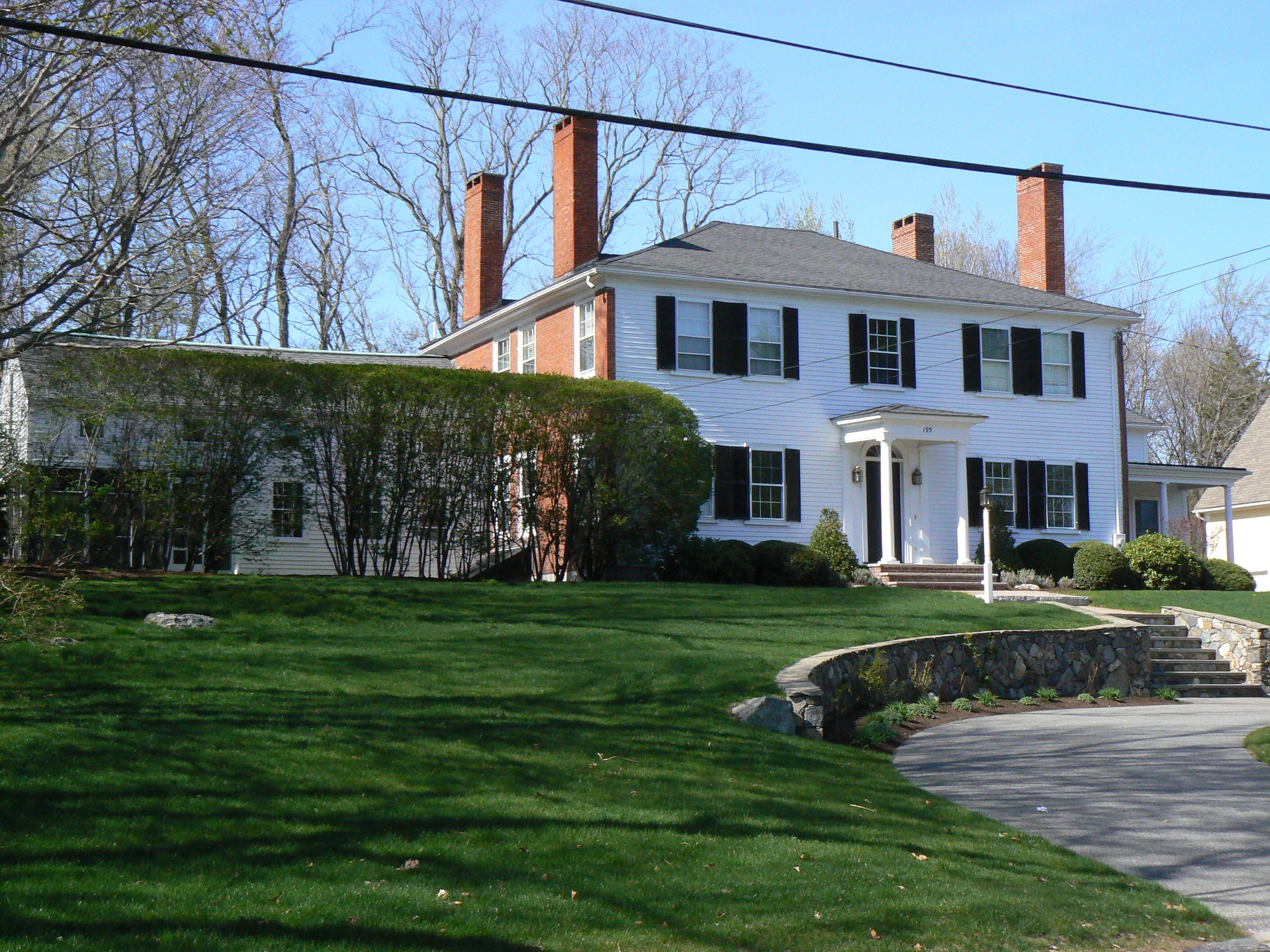
Winchester Center packs shops, restaurants, the historic Town Hall, and the rail stop into a few walkable blocks. Outside the center, streets climb into hillside neighborhoods with Victorians, Colonial Revivals, Tudors, and later suburban styles. Shannon Beach on Upper Mystic Lake (a DCR swimming area near Wedgemere) shapes warm-weather recreation; the Fells offer hiking just east of town. Many streets are lined with National Register homes that still define the town’s residential look.
Housing
Homes & neighborhood pockets
Much of Winchester’s housing dates from the late 19th and early 20th centuries, when the railroad helped create a commuter suburb. Expect period details, mature landscaping, and a high share of single-family homes — from Colonial and Queen Anne examples to later Revival styles. Condominiums concentrate nearer the center and transit. Properties near water or low-lying areas may raise flood-zone and insurance questions worth reviewing early.
Winchester Center
Walkable living near shops, dining, and the Winchester Center rail stop.
Wedgemere / lake area
Near the Wedgemere station, Upper Mystic Lake, and Shannon Beach — popular for water and park access.
East Hill / Highlands
Established residential areas with strong access to schools, the Fells, and town amenities.
West Side / Myopia Hill
Quieter streets with more open-space adjacency and a spacious residential character.
Getting around
Transportation & commute
Commuter rail to North Station is a major advantage. Weekday Lowell Line schedules commonly put Wedgemere and Winchester Center in roughly the mid-teens to about 20 minutes inbound (always verify the current timetable). Wedgemere sits on Mystic Valley Parkway near the lake; Winchester Center anchors downtown. Driving into Boston is a short distance via I-93 but can be peak-hour dependent. Living within walking distance of either station is a meaningful lifestyle choice for car-light days.
Outdoors
Parks & open space
- Upper Mystic Lake & Shannon Beach (DCR)
- Middlesex Fells Reservation (adjacent)
- Wright-Locke Farm
- Town parks, playgrounds, and conservation parcels
- Mystic Valley Parkway recreation corridors
Daily life
Amenities
- Main Street / town-center shops and restaurants
- Winchester Hospital (regional health care)
- Public library and civic institutions
- Griffin Museum of Photography (near Wedgemere)
- Local services and professional offices downtown
Dining & shopping
Downtown Winchester supports daily dining and errands with independent businesses. Larger grocery and retail trips are often a short drive to neighboring communities. The center’s walkability is a frequent reason buyers prioritize near-downtown addresses.
Market
Real estate snapshot
Winchester is a premium inner-north market with strong demand for well-located single-family homes. Condition, systems (in older homes), and proximity to the center or rail often influence both pricing and buyer urgency. A careful inspection and marketing plan matter.
Schools
Finding school information
Winchester’s schools are a common research topic for relocating families. Consult Winchester Public Schools and MA DESE for authoritative information. Delphine can help you weigh school logistics alongside commute and neighborhood feel.
Local perspective
Delphine on Winchester
In Winchester I listen for whether the town center and train matter most — or whether you want hillside quiet and open space. Those two lifestyles sit close together geographically, but they shop very differently.
Talk to Delphine About This AreaHero photo: Captain Josiah Locke House, Winchester, MA (Wikimedia Commons). Community information is compiled from publicly available municipal, transit, and education resources for general guidance only. Market conditions change; always verify details that matter to your decision.
Interested in Winchester?
Delphine can show you available homes and share what life is really like in this community.