Loading…
Greater Boston · Massachusetts
Lexington
Historic New England character with a vibrant town center and conservation land.
Overview
Living in Lexington
Lexington is about 10–12 miles northwest of Boston and is nationally known for the Battle Green — site of the opening encounter of the Revolutionary War on April 19, 1775. Beyond the history, it is a residential community with a walkable town center, highly regarded amenities, and extensive conservation land. The Minuteman Bikeway runs through town, linking Lexington toward Arlington and Alewife.
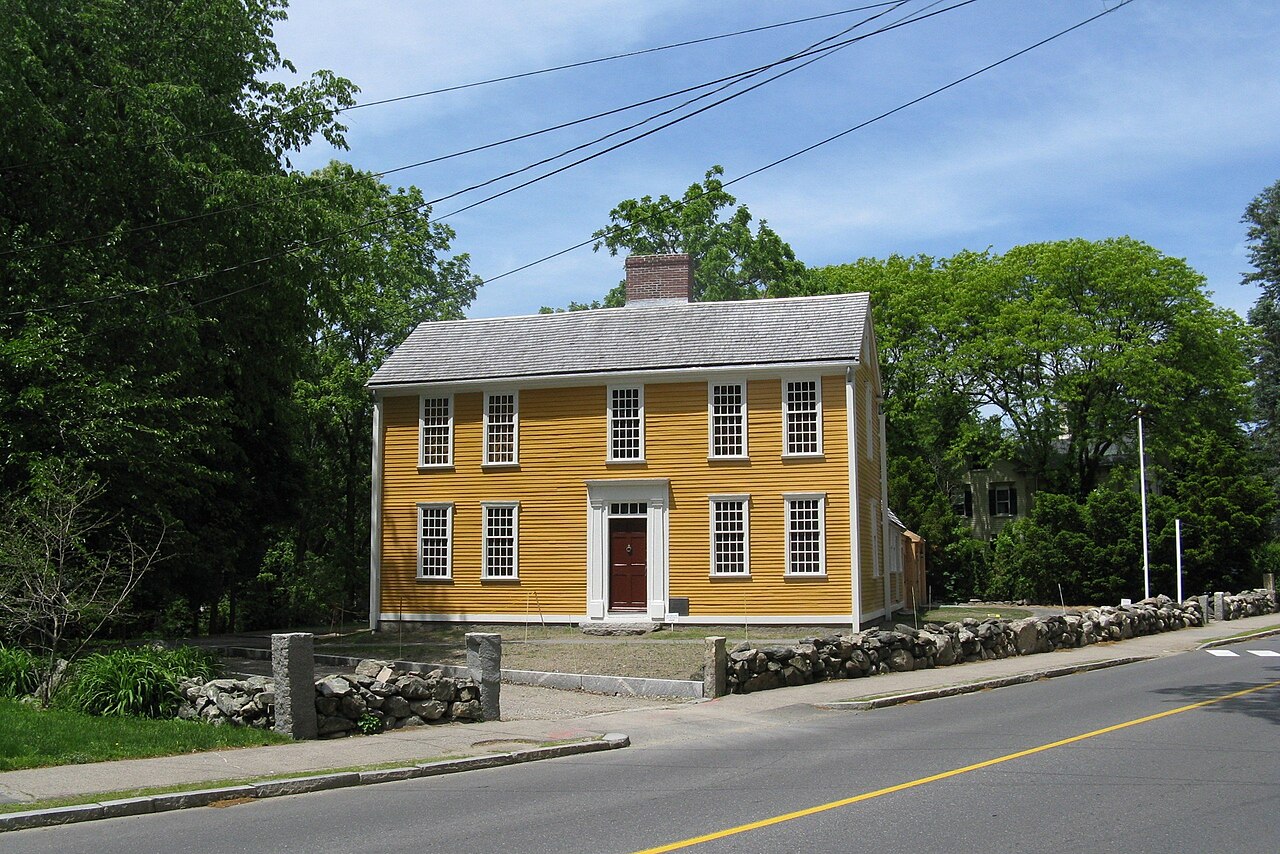
Lexington Center feels like a classic New England main street: shops, cafés, civic buildings, Cary Memorial Library, and the Battle Green. The Hancock-Clarke House on Hancock Street — where Paul Revere warned John Hancock and Samuel Adams — sits in a local historic district of Federal through Second Empire homes that grew up after the railroad arrived. Surrounding neighborhoods range from historic streets near the Green to mid-century modern enclaves and more conventional suburban roads.
Housing
Homes & neighborhood pockets
Near the Center and Meriam Hill you will see Colonial, Federal, Victorian, and early-20th-century homes, plus condominiums and conversions. Hancock Street became one of Lexington’s most stylish residential corridors in the mid-1800s. Farther out, lot sizes and architectural styles widen — including mid-century modern pockets such as Six Moon Hill, Five Fields, and Peacock Farm. Historic character and lot setting often matter as much as interior finishes.
Lexington Center & Meriam Hill
Walk-to-everything living near the Battle Green, Massachusetts Avenue shops, and civic amenities.
Hancock-Clarke area
Historic district along Hancock Street with architectural character from the 1830s–1870s and the landmark Hancock-Clarke House.
Munroe Hill
Established streets with architectural character and proximity to recreation and town services.
Outlying & mid-century pockets
Traditional and modern homes with more yard space — including known mid-century modern enclaves.
Getting around
Transportation & commute
Lexington relies on buses, driving, and the Minuteman Bikeway for many trips. The bikeway is both recreation and a practical route toward Alewife Station (and onward Red Line service). Drivers use Route 2 and local arterials to reach Cambridge, Boston, and Route 128 employment centers. Confirm current MBTA bus patterns when evaluating a specific street — unlike Belmont or Winchester, Lexington does not have a Commuter Rail station in the town center.
Outdoors
Parks & open space
- Lexington Battle Green (historic common)
- Minuteman Bikeway
- Whipple Hill and town conservation lands
- Great Meadows and additional trail networks
- Minute Man National Historical Park (nearby interpretive landscape)
Daily life
Amenities
- Massachusetts Avenue shops and restaurants
- Cary Memorial Library & Cary Hall
- Munroe Center for the Arts
- Wilson Farm (local farm stand / garden center)
- Hancock-Clarke House & Lexington History Museums
- Seasonal farmers markets and Patriots’ Day events
Dining & shopping
Lexington Center concentrates independent dining and retail. Residents also use nearby commercial corridors and Route 128-area shopping for larger trips. The town’s retail pattern favors a village center over big-box strips.
Market
Real estate snapshot
Lexington is one of Greater Boston’s more competitive suburban markets. Comparative snapshots have often shown Lexington’s median sale prices among the highest in this corridor (frequently above Belmont and Arlington). Homes near the Center and in high-demand neighborhoods can move quickly when priced and presented well. Buyers should expect to be prepared; sellers should plan a deliberate go-to-market strategy.
Schools
Finding school information
Many families research Lexington schools carefully. Use official Lexington Public Schools and MA DESE resources for current information. Delphine helps connect that research to specific properties and daily commuting realities.
Local perspective
Delphine on Lexington
Lexington is about fit — historic walkability versus more space farther from the Green, traditional architecture versus mid-century modern. We walk that decision together before we chase listings.
Talk to Delphine About This AreaHero photo: Hancock-Clarke House, Lexington, MA (Wikimedia Commons). Community information is compiled from publicly available municipal, transit, and education resources for general guidance only. Market conditions change; always verify details that matter to your decision.
Interested in Lexington?
Delphine can show you available homes and share what life is really like in this community.